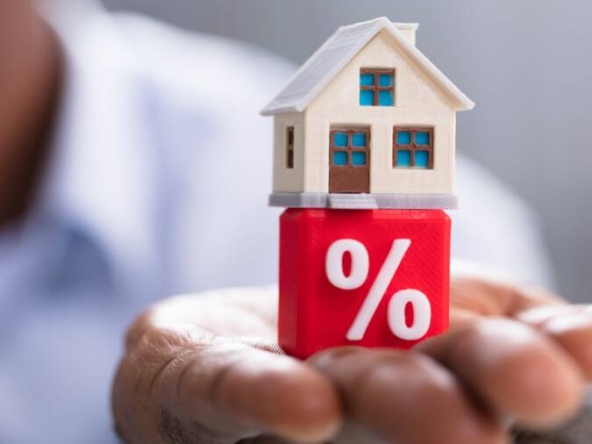






In recent decades, Georgia has become a picturesque country attracting both tourists and investors. Its rich history, cultural heritage and stunning natural scenery make it a magnet for those looking for both a new home and investment opportunity. On the one hand, this led to an increase in interest in Georgian real estate, and on the other, to a change in the dynamics of real estate prices.
Evolution of the Real Estate Market in Georgia
Since the early 2000s, Georgia has actively attracted the attention of foreign investors, offering attractive opportunities for purchasing real estate. Processes of market liberalization, as well as an improvement in the investment climate, have made the country an attractive place for investment.
At the beginning of this period, property prices were relatively low, which attracted many foreign buyers, especially in the capital Tbilisi and resort areas such as Batumi and Gudauri. This surge of interest in Georgian real estate was accompanied by a rapid rise in prices.
Current Price Dynamics
To date, real estate prices in Georgia remain at a relatively high level, especially in popular areas. However, the situation is heterogeneous and depends on the specific region.
1.Tbilisi: Epicenter of Dynamics
The capital of Georgia, Tbilisi, remains the main real estate center in the country. Here prices per square meter show a steady increase, especially in the central areas and around the historical center. This is due to the constant increase in demand from both local residents and foreign investors.
2.Resort Areas: Development and Potential
Resort areas such as Batumi and Gudauri are also attracting significant interest. In Batumi, prices remain stable but high, thanks to the attractive local architecture, sea coast and developed infrastructure. On the other hand, Gudauri, a popular ski resort, is seeing growth in both prices and new construction projects.
3.Regional Markets: Diversity and Opportunities
In regions outside of Tbilisi and resort areas, real estate prices may be significantly lower. This makes some regions attractive to those looking for more affordable properties. However, it is important to consider differences in infrastructure, service availability and the potential for future price increases.
Factors Affecting Price Dynamics
A number of factors influence the dynamics of real estate prices in Georgia:
1.Economic Stability
Economic stability plays a decisive role in determining real estate prices in Georgia. The stability of macroeconomic indicators, such as inflation, unemployment rate, GDP growth, as well as the level of income of the population, directly affect supply and demand in the real estate market. High levels of economic development and transparency in economic policies contribute to investor confidence and support high property prices.
2.Tourist Flow
The growth of tourist flows to Georgia has a significant impact on the dynamics of real estate prices. An increase in the number of tourists leads to an increase in demand for short-term rentals and the purchase of holiday homes and investments. Especially in resort areas and historical centers, where the tourist infrastructure is best developed, real estate prices can rise significantly.
3.Political Stability
Political stability is a key factor influencing the dynamics of real estate prices. Uncertainty in the political environment or the risk of political crises may create uncertainty among investors and provoke a decrease in demand for real estate, which in turn may affect prices. Stability in government policies and the public environment helps maintain confidence in the real estate market and keep prices high.
4. Infrastructure Projects
The development of infrastructure projects, such as the construction of roads, airports, railways and other communications, can have a significant impact on the dynamics of real estate prices. Improving accessibility and services in certain areas can make them more attractive to investors and increase home prices.
5. Regulatory Measures
Government regulations, such as property taxes, restrictions on foreign investment, or changes in real estate rental and sales laws, can also have a significant impact on the real estate market. These measures can either stimulate or restrict investment, which will ultimately affect house prices.
All these factors together determine the dynamics of real estate prices in Georgia. It is important to consider their interactions and effects when analyzing the market situation and making decisions about investing in real estate in this country.
The Future of the Georgian Real Estate Market
The outlook for the Georgian real estate market remains positive, despite some challenges. The country continues to attract the attention of both individual investors and large developers due to its unique location, cultural heritage and potential for tourism development.
However, it is important to take into account the risks associated with changes in the macroeconomic situation, as well as instability on the political front. Only effective management of these factors will allow Georgia to maintain its attractiveness for both residents and investors in the long term.
Conclusion
Georgia continues to be an attractive destination for real estate investment, thanks to its unique combination of historical heritage, beautiful nature and a booming economy. The dynamics of real estate prices in the country reflect these processes, showing steady growth in popular areas such as the capital Tbilisi and resort destinations, while in the regions prices remain more affordable.
The key factors influencing price dynamics remain economic and political stability, as well as the level of tourist flow. The country has the potential for further growth in this sector, however, effective management of risks and challenges is required to maintain its attractiveness to investors and ensure the sustainable development of the property market in the future.
Maintaining a balance between stimulating investment and protecting the interests of the local population is a key task for the Georgian authorities. Supporting sustainable and diverse development of the real estate market will contribute to the prosperity of the country as a whole, making it attractive not only to investors, but also to residents seeking to improve their quality of life.