






In recent years, Georgia has been actively working to modernize its infrastructure, striving for sustainable development and improving the quality of life of its citizens. The country’s ministers regularly appear before Parliament, presenting government programs and outlining key areas of activity. Recent speeches by the Minister of Economy and Sustainable Development, Levan Davitashvili and the Minister of Regional Development and Infrastructure, Irakli Karseladze, noted significant achievements and upcoming projects in the field of infrastructure development.
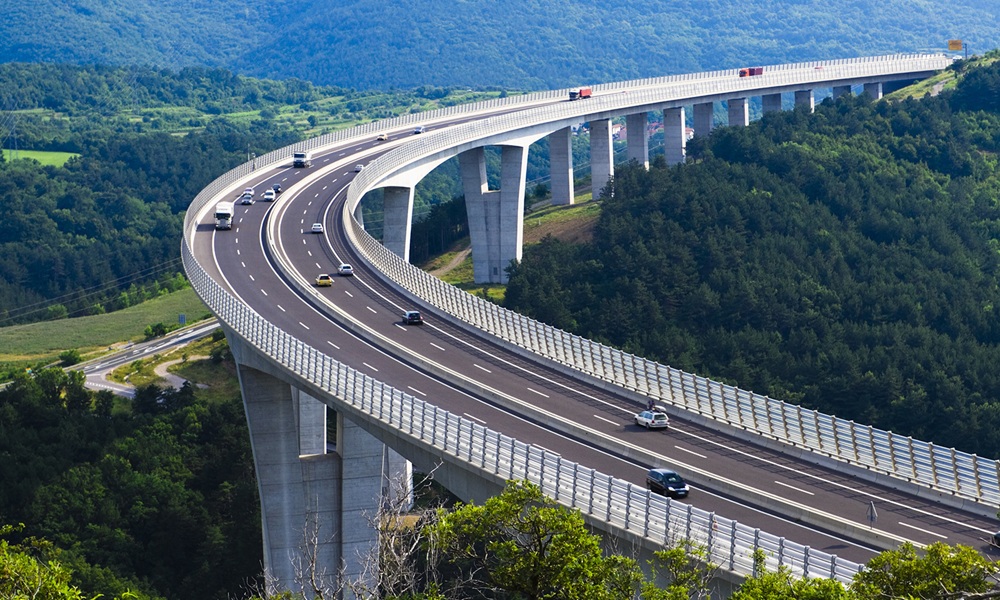
One of the key aspects is improving road infrastructure. It is planned to complete the construction of the route and tunnels of the Rikoti Pass, which will reduce the travel time between Tbilisi and Batumi to 3.5 hours. In addition, work will continue on the construction of an expressway in the direction of Kakheti, which contributes to the development of the region and improves the accessibility of transport infrastructure.
One of the most significant projects is the construction of the deep-water port of Anaklia, which will contribute to the development of maritime transport and the expansion of trade relations between Georgia and other countries. It is also planned to begin the development of a new international airport in Tbilisi and the modernization of existing airports, which will contribute to the development of the country’s aviation infrastructure and improve the quality of passenger service.
Another important step is the completion of the construction of the Kvesheti-Kobi road and tunnels, which will reduce travel time between Tbilisi and Upper Lars to 2 hours and provide reliable transport links in mountainous areas that are not dependent on weather conditions.
In addition, Georgia is actively preparing for the 2025 Winter Youth Olympic Games. It is planned to build an ice palace in Tbilisi, a biathlon track in Bakuriani and a ski track in Svaneti, which will contribute to the development of sports infrastructure and attract attention to the country as a venue for international sporting events.
In addition, the modernization of railway infrastructure and the completion of the Baku-Tbilisi-Kars railway project are ongoing, which will improve freight transport between Asia and Europe, promoting trade links and economic growth in the region.
It is important to note that as a result of the implemented projects from 2022 to 2024, more than 365 thousand people will have round-the-clock access to water supply, including 130 thousand people who previously did not have this opportunity. This will improve the quality of life of the population and provide more comfortable living conditions in the regions of the country.
Thus, the infrastructure projects presented by ministers before the Parliament of Georgia are aimed at improving the country’s transport, energy and utility infrastructure, which contributes to its economic growth, sustainable development and improving the living standards of the population. The country continues its path to modernization, striving to achieve new heights and strengthen its place on the world stage.
In conclusion, it can be noted that Georgia is on the path to significant progress in the field of infrastructural development thanks to active government programs and the implementation of ambitious projects. The ministers’ speeches before the Parliament of Georgia emphasized the importance and promise of the presented infrastructure initiatives for economic growth, social well-being and improving the quality of life of citizens.
Key development areas, such as improving road infrastructure, developing maritime and air transport, modernizing railway routes and ensuring access to water supplies, provide Georgia with the opportunity to effectively integrate into the global economy and strengthen its position in the region. One of the main benefits of infrastructure projects is improving the quality of life of citizens. Access to quality roads, water and other public services not only makes people’s daily lives easier, but also improves their health and safety.
In addition, preparations for international sporting events such as the 2025 Winter Youth Olympic Games demonstrate Georgia’s commitment to highlighting its cultural and sporting heritage, as well as creating new opportunities to develop tourism and the sports industry.
The infrastructure projects discussed in the article not only contribute to the development of the economy and ensure the sustainability of the country, but are also aimed at improving the quality of life of citizens, especially in remote and sparsely populated regions.
Improved transport infrastructure facilitates the development of trade, tourism and other industries, which ultimately leads to increased income and improved living conditions of the population.
Projects aimed at modernizing and developing infrastructure are helping Georgia strengthen its position on the world stage.
Thus, infrastructural development becomes a key tool for achieving Georgia’s strategic goals in the areas of economics, social justice and sustainable development, and continues to be a priority for the government in the coming years.