






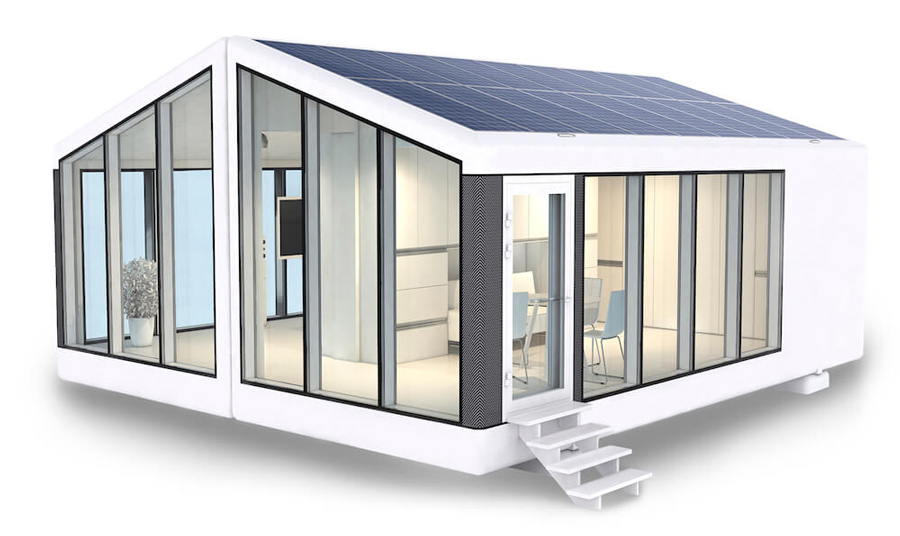
Modular homes are becoming increasingly popular due to their cost-effectiveness, speed of construction and environmental friendliness. These houses are assembled from prefabricated modules that are delivered to the construction site and connected into a single unit. The cost of a modular home depends on many factors, including size, materials, design complexity and location.
The process of creating a modular home is greatly accelerated by the fact that the modules are manufactured in a factory under controlled conditions, minimizing the impact of weather conditions and other factors that slow down traditional construction. This is especially important in regions with harsh climates where the construction season is limited. In this article we will look at the main aspects that affect the price of a modular home and provide approximate cost calculations.
Main factors influencing the cost of a modular house
House size
- Small houses (up to 50 sq.m.): $20,000 – $60,000
- Medium houses (from 50 to 100 sq.m.): $60,000 – $120,000
- Large houses (over 100 sq.m.): $120,000 and above
Materials and finishing
- Budget-Friendly Materials: Using inexpensive materials for exterior and interior decoration can reduce the overall cost. For example, vinyl siding or linoleum.
- Mid-range: Higher quality materials such as wood paneling, ceramic tiles may increase the cost.
- Premium: High-quality materials and designer finishes significantly increase the value of a home. Marble countertops, hardwood floors, and energy-efficient windows are examples of premium materials.
Equipment and engineering systems
Basic package: Includes standard wiring, plumbing and basic heating and ventilation systems.
Advanced Equipment: Modern heating, ventilation and air conditioning (HVAC) systems are installed, as well as higher quality plumbing and electrical systems.
Transportation and installation
- The cost of transportation depends on the distance between the plant and the construction site. On average, transporting modules can cost from $1,000 to $10,000.
- Installation includes assembling the modules, connecting to utilities and performing all necessary tests. Depending on the complexity of the design and the availability of the construction site, the cost can vary from $10,000 to $30,000.
Additional expenses
- Foundation: Depending on the type of foundation (strip, pile, slab) and soil conditions, the cost can range from $5,000 to $25,000.
- Landscaping: Landscaping, fences, walkways and other improvements can add $5,000 to $20,000 to the total cost of the project.
Approximate cost calculations
Let’s take as an example an average modular house with an area of 80 sq.m. with mid-range finishes and standard equipment.
- Module cost: $80,000
- Transportation: $5,000
- Installation: $20,000
- Foundation: $10,000
- Landscaping: $10,000
Total: $125,000
Benefits of modular construction
Despite the significant initial investment, modular homes offer several key benefits:
- Speed of Construction: Factory prefabricated and quick on-site installation reduces construction time by 30-50% compared to traditional methods.
- Cost Savings: Lower labor costs and optimized factory production help reduce overall construction costs.
- Quality and reliability: Factory quality control ensures high construction standards and longevity of the house.
- Eco-friendliness: Modular homes are often built using environmentally friendly materials and energy-efficient technologies.
Conclusion
Modular homes represent a significant advance in the building industry, combining cost-effectiveness, quality, sustainability and customization. Their appeal to home buyers is not only due to their lower cost compared to traditional homes, but also to many other advantages, such as speed of construction, reliability and resistance to external influences. Considering all these factors, modular homes have the potential to become the primary choice for those looking for modern, comfortable and economical housing in the near future.
The cost of a modular home varies widely and depends on many factors. The average price for a mid-size home with quality finishes and all the necessary systems is about $125,000. Modular construction offers significant advantages in speed, quality and savings, making it an attractive option for many home buyers.
Taking into account all the advantages considered, it can be predicted that modular houses will occupy an increasing share of the housing market. Advances in technology and increased consumer awareness of the benefits of modular construction will further increase the demand for such homes. Moreover, with increasing urbanization and the need to quickly create housing, modular homes can be a key solution to the problem of affordable housing in cities.