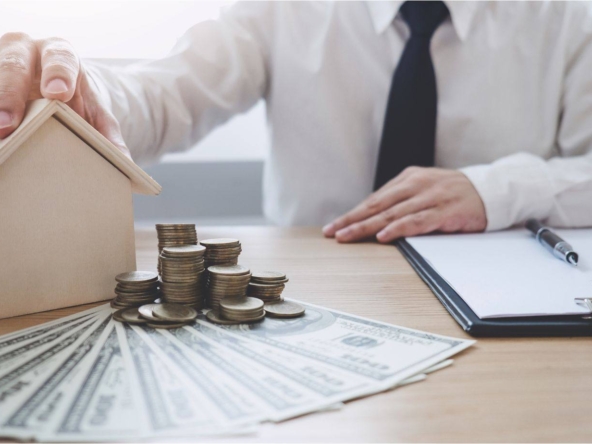







Purchasing a home at auction can be an excellent opportunity to purchase a property below market value. However, this process has its own characteristics and risks that must be taken into account. In this article we will look in detail at all stages of buying a house at auction, from preparation to closing the deal.
Preparing to participate in the auction
Market research
Before participating in an auction, it is important to do your research on the real estate market. This will help you understand current market prices and determine how much you are willing to pay for a home. Use online resources such as real estate websites and data from real estate agencies.
Auction Search
There are different types of real estate auctions, including government, bank and private. Information about upcoming auctions can be found on specialized websites, in local newspapers and on bank websites. Some auction houses also offer online bidding, which can be a convenient option for many buyers.
Financial preparation
To participate in the auction, you will need to make a deposit, usually in the amount of 5-10% of the starting price of the lot. Make sure you have the necessary funds to do this. Also make arrangements in advance with a bank or other lender to obtain a mortgage if you plan to use borrowed funds for the purchase.
Auction Process
Familiarization with the object
Before placing a bid, you must thoroughly research the property. Visit the home in person, if possible, and conduct an inspection. Pay attention to the condition of the building, any damage and the need for repairs. Also check the legal status of the property to make sure there are no encumbrances on it.
Participation in the auction
At the auction you will be required to register and receive a bidder number. The bidding process begins with the announcement of the starting price and the acceptance of the first bids. If you are participating in an online auction, make sure you have a stable internet connection.
Betting Strategies
When participating in an auction, it is important to stick to your strategy and budget. Do not give in to emotions and do not exceed the established limit. One approach is to wait until the last minutes of the auction and place your bid closer to the end of the auction to reduce competition.
Make a deal
Winning the auction
If your bet is successful, you will receive a notification and instructions on what to do next. You will be required to pay the remaining amount by the due date, usually within 30-45 days.
Legal registration
After paying for the house, all legal paperwork must be completed. This includes signing the sales contract and registering the title with the relevant government authorities. At this stage, it is recommended to use the services of a lawyer to avoid possible problems and misunderstandings.
Useful tips
- Study the rules of the auction: Each auction house may have its own characteristics and rules, which you need to familiarize yourself with in advance.
- Be prepared for competition: Popular items may attract large numbers of bidders, so be prepared for active bidding.
- Don’t forget about additional costs: In addition to the cost of the house, consider the costs of paperwork, taxes and possible repairs.
- Get professional help: If you are unsure of your abilities, contact a real estate agent or lawyer who specializes in auctions.
Conclusion
Buying a home at auction can be a profitable deal if you approach the process responsibly and preparedly. Do thorough research, become familiar with the property, and follow your bidding strategy. With the right approach, you can purchase your dream home at an attractive price.
Buying a home at auction requires care and preparation, but if done correctly, it can be a great way to save money and get a great deal on your property.