






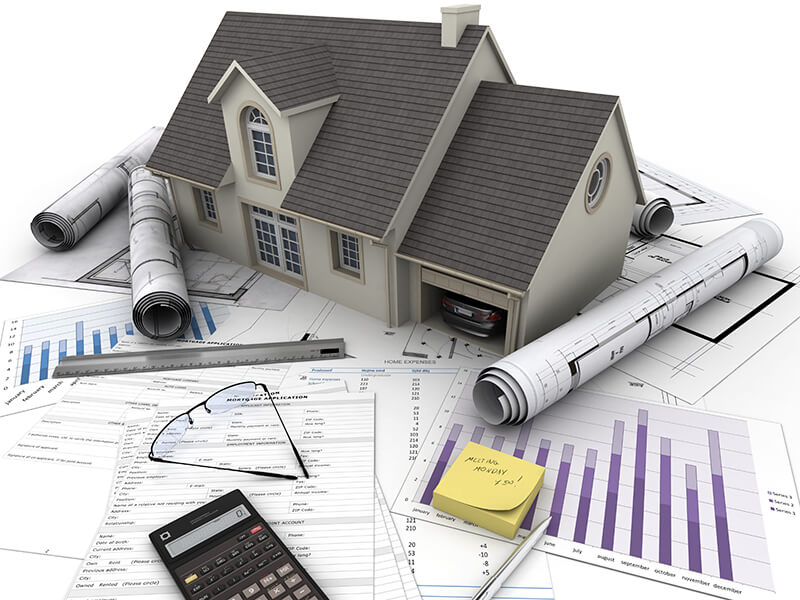
The State Real Estate Cadastre is a systematic collection of information about all real estate objects in the country. It includes data on land plots, buildings, structures, their rights and restrictions. This cadastre is an essential element of the state system of land and property resources management.
Main Functions of the State Real Estate Cadastre
1. Registration of rights to real estate: The cadastre records ownership rights, leases, easements and other restrictions. This ensures legal protection of the rights of property owners and users.
- Legal protection: Registered rights are protected by law, which reduces the risk of property disputes and conflicts.
- Transparency in transactions: Having official records of real estate title makes transactions more transparent and reduces the risk of fraud.
- Stimulating the real estate market: Security of rights contributes to the development of the real estate market, as owners and investors feel more confident.
2. Real estate valuation: Cadastre data is used to determine the cadastral value of real estate, which is the basis for taxation and various financial transactions.
- Cadastral value: Determining the value of real estate based on cadastral data allows you to form a tax base for calculating property taxes.
- Financial transactions: Accurate data on the value of real estate is necessary for lending, collateral and insurance.
- Social justice: Correct assessment of the value of real estate ensures a fair distribution of the tax burden among citizens.
3. Urban planning: Cadastral information serves as the basis for the development and implementation of urban plans, zoning of territories and management of infrastructure development.
- Urban development planning: The cadastre provides data on the current state of land and buildings, which is necessary for the design of new facilities and the reconstruction of existing ones.
- Zoning: Defining zones for residential, commercial, industrial and agricultural activities based on cadastral data helps optimize the use of land resources.
- Infrastructure Projects: Cadastral information is necessary for the planning and implementation of large infrastructure projects such as roads, bridges, parks and other public facilities.
4. Land management: The cadastre provides the information necessary for the rational use of land resources, preventing their degradation and improving the environmental situation.
- Rational use: The cadastre helps prevent land degradation and promotes its rational use, ensuring the long-term conservation of natural resources.
- Environmental monitoring: Information about land plots and their condition is important for monitoring the environmental situation and preventing pollution.
- Dispute resolution: Cadastral information serves as the basis for resolving land disputes and resolving issues related to plot boundaries and their use.
Structure and Content of the State Real Estate Cadastre
The state real estate cadastre includes several key components:
- Cadastral maps and plans: Graphic display of real estate objects, their boundaries and location.
- Technical descriptions of objects: Characteristics of buildings and structures, including area, number of storeys, construction materials and other parameters.
- Legal information: Data on registered rights to real estate, their encumbrances and restrictions.
Historical information: Information about changes that occurred with real estate objects over a certain period.
The importance of the Cadastre for the Economy and Society
- Economic development: A reliable cadastral system helps attract investment, simplifies the processes of buying and selling real estate and reduces the risks associated with property disputes.
- Social stability: Clearly regulated rights to real estate help improve the living conditions of the population, provide access to land and stimulate the development of private construction.
- Transparency and anti-corruption: Openness of cadastral data increases the transparency of real estate transactions and reduces opportunities for corruption schemes.
Prospects for the Development of the State Real Estate Cadastre
Modern technologies open up new opportunities for improving the cadastral system:
- Digitalization: The transition to electronic data formats and integration with other government information systems speeds up the processes of registration and processing of information.
- Geographic information systems (GIS): The use of GIS allows you to more accurately and clearly display cadastral data, analyze spatial changes and make informed management decisions.
- Blockchain: The introduction of blockchain technologies can increase the security and reliability of storing cadastral data, reduce the risk of falsification of information and simplify access to it for interested parties.
Conclusion
The state real estate cadastre plays a key role in ensuring the sustainable development of the country. It provides critical data for making management decisions, helps protect the rights of property owners and users, and stimulates economic growth. The development and modernization of the cadastral system using modern technologies will contribute to its efficiency and reliability in the future.
In the future, the state real estate cadastre will continue to play a key role in ensuring sustainable economic growth, social stability and effective land management. The development and modernization of the cadastral system using advanced technologies will create the prerequisites for further improving the quality of life of the population and increasing the country’s competitiveness on the global stage.
Thus, the state real estate cadastre is the foundation for many aspects of the economic and social life of the country. Its importance can hardly be overestimated, and further development of the cadastral system will contribute to achieving the strategic goals of sustainable development and the well-being of society.