






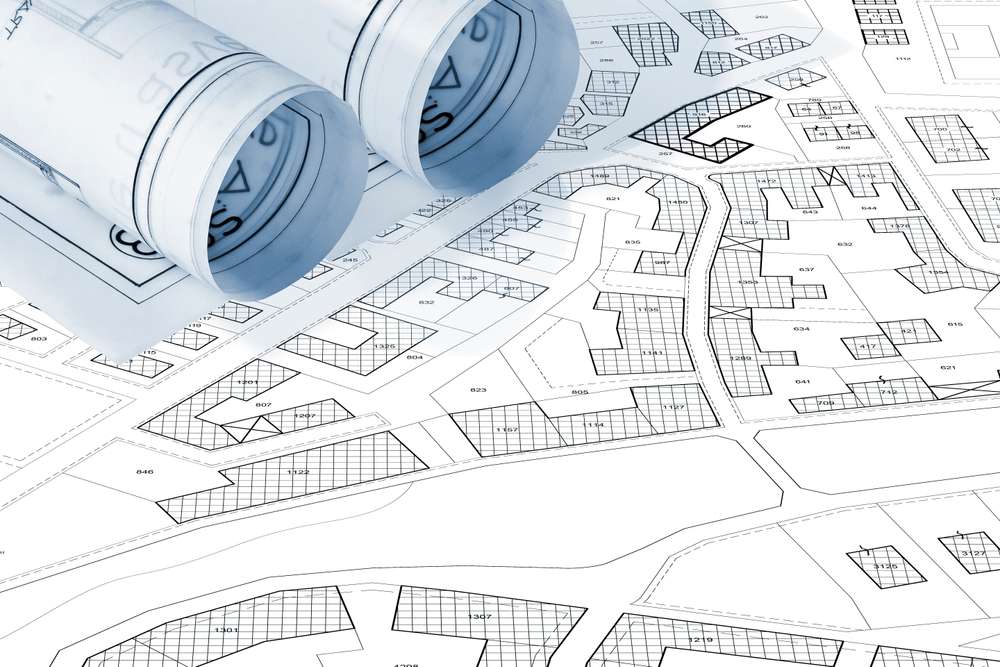
A cadastral number is a unique identifier assigned to each property in the state cadastral system. In any country, this number is an important element in the real estate accounting system, since it allows you to uniquely identify any object in the country. In this article, we will take a closer look at what a cadastral number is, its structure, importance and application in various aspects of real estate.
History and purpose of the cadastral number
The cadastral registration system has existed for many centuries, dating back to ancient times, when it was necessary to register land plots for taxation and management purposes. In the modern world, the cadastral number has become an important tool in legal and economic transactions with real estate.
The cadastral number allows you to:
- Unambiguously identify the property.
- Keep records of land plots and other real estate objects.
- Provide legal protection to property owners.
- Simplify the processes of purchase and sale, rental, collateral and other real estate transactions.
- Maintain the state cadastral register up to date.
Cadastral number structure
The cadastral number consists of several parts, each of which has its own meaning. The structure of the cadastral number is as follows:
XX:YY:ZZZZZZ
, Where:
XX – cadastral district code.
YY is the cadastral district code.
ZZZZZZ — cadastral quarter number.
KKK is the number of a specific property within the block.
Example of a cadastral number: 77:01:0004013:72.
This format ensures uniqueness and makes it easy to identify an object over a large area.
The process of assigning a cadastral number
The assignment of a cadastral number occurs in several stages:
1. Preparation of documents
Gather the necessary documents:
Application for cadastral registration.
Title documents for real estate.
Technical or boundary plan prepared by a cadastral engineer.
Personal identification card or power of attorney of a representative.
2. Submitting an application
Submit the application and documents to the relevant authority (cadastral authority, land registry, or similar institution), in person or through electronic services.
3. Document verification
The cadastral authority checks the correctness and completeness of the submitted documents and data.
4. Field check (if necessary)
If necessary, a field survey is carried out to clarify the data.
5. Assignment of cadastral number
The authority assigns a unique cadastral number to the property.
6. Entering data into the register
Information about the object and its cadastral number is entered into the state cadastral register.
7. Receive confirmation
The applicant receives official confirmation of the assignment of a cadastral number.
This process may vary in detail depending on the country.
Application of cadastral number
The cadastral number is used in various areas and procedures related to real estate:
- Legal transactions: When concluding contracts of sale, lease, pledge and other transactions with real estate, the cadastral number allows you to accurately identify the object of the transaction.
- Taxation: Tax authorities use the cadastral number to determine the tax base and calculate property taxes.
- Construction and reconstruction: When obtaining permits for construction, reconstruction and other types of work, the cadastral number is used to identify the site and real estate.
- Urban planning: Local governments use cadastral numbers to maintain urban planning documentation and manage the territory.
- Protection of property rights: The cadastral number helps protect the rights of property owners, preventing possible disputes and fraud.
Advantages of a cadastral number
The system of cadastral registration and assignment of cadastral numbers has many advantages:
- Simplifying real estate transactions: The cadastral number allows you to quickly and accurately identify a property, which speeds up the process of concluding transactions.
- Transparency and reliability: The presence of a unified register and unique numbers of real estate objects increases the transparency and reliability of transactions in the real estate market.
- Protection of property rights: Cadastral registration ensures the protection of the rights of owners, reducing the risk of disputes and fraud.
- Effective management: State and local authorities can effectively manage territories and plan their development thanks to cadastral information.
Digitalization of cadastral registration
With the development of technology and the transition to digital methods of real estate management, digitalization of cadastral registration is becoming increasingly relevant. Digital technologies can significantly simplify and speed up processes related to cadastral registration and real estate management.
- Electronic services: The introduction of electronic services for submitting documents and receiving extracts from the Unified State Register allows you to reduce the time for registration and increase convenience for citizens and organizations.
- Geographic information systems: The use of GIS technologies allows you to visualize cadastral information on digital maps, which facilitates the process of analysis and decision-making.
- Process automation: The introduction of automated accounting and data processing systems reduces the risk of errors and increases the efficiency of cadastral registration.
- Data accessibility: Digitalization ensures the availability of cadastral information to a wide range of users, including citizens, companies and government agencies, which contributes to increased transparency and openness.
Conclusion
The cadastral number is an important element of the real estate accounting system, providing unique identification of objects and simplifying many procedures related to real estate. Thanks to the cadastral number, property rights are protected, legal transactions are simplified and land management efficiency is increased. In the modern world, cadastral registration and the availability of unique numbers for each property are integral elements of the development and management of the territory.