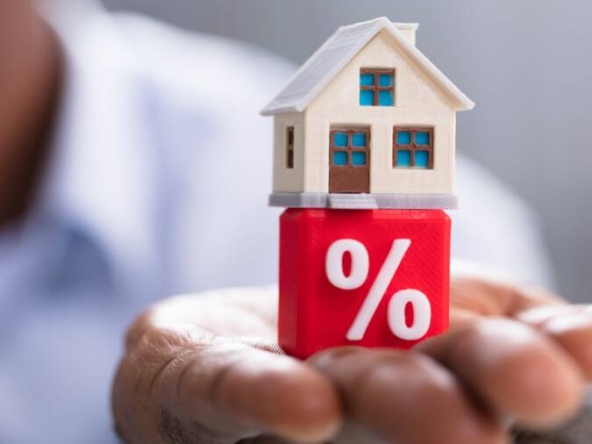







The liquidation value of an apartment is the amount of money that can be obtained from the sale of a property in terms of urgent sale, often in unfavorable market conditions. This indicator is important both for property owners and for lenders, appraisers and potential buyers.
Understanding this concept is important for all participants in the real estate market, including owners, lenders, investors and appraisers.
Features of liquidation value
The liquidation value of an apartment has a number of specific features that distinguish it from the market value. Let’s take a closer look at these features:
- Quick sale: Liquidation value is calculated taking into account that the apartment will be sold in a short time. This is usually from one to three months, which is significantly less than the standard period for selling a property.
- Price reduction: Due to the urgency of the sale, the apartment may be sold at a price below market value. The salvage value estimate takes this factor into account and assumes a lower price than a normal sale.
- Market conditions: Liquidation value is especially relevant in times of economic instability or a real estate market crisis, when the number of buyers is declining and prices are falling.
- Financial circumstances
Insolvency: In cases of financial difficulties of property owners, such as unpaid loans or other debts, the liquidation value can be used to quickly sell the property and pay off debts. This avoids more serious financial consequences such as bankruptcy or litigation.
Collateral: Liquidation value is important to lenders, who can use it to estimate potential losses on the sale of collateral if the borrower defaults.
Thus, the liquidation value of an apartment differs from the market value in a number of key features related to the need for a quick sale, price reduction, market conditions and psychological factors. Understanding these features allows you to more accurately estimate and use liquidation value in various situations in the real estate market.
For whom is liquidation value important?
- Owners: It is important for property owners to understand liquidation value to value their assets in the event of a quick sale. This may be due to financial difficulties, relocation or other urgent circumstances.
- Lenders: Banks and other financial institutions that provide loans against real estate use liquidation value to evaluate risk. In the event of the borrower’s insolvency, the liquidation value helps determine how much can be recovered from the sale of the collateral property.
- Investors: Potential buyers and investors looking for great deals in the real estate market are turning their attention to properties with liquidation value. Such apartments can be purchased at a reduced price for the purpose of further resale or rental.
Factors affecting salvage value
- Location: Apartments in prestigious areas with developed infrastructure and good transport accessibility are less susceptible to a significant reduction in value during urgent sale.
- Condition of the property: The good technical condition of the apartment, recent renovations and the absence of legal problems increase its liquidation value.
- Market Conditions: General economic conditions and the state of the real estate market play a key role. During periods of economic recovery, the liquidation value will be closer to the market value, while in times of crisis the difference can be significant.
Liquidation value also plays a role in the overall dynamics of the real estate market. During periods of economic instability or crisis, when demand for real estate falls, liquidation value becomes a key benchmark for many transactions. It allows the market to remain active even in adverse conditions, allowing for rapid turnover of real estate, which in turn helps stabilize prices and maintain economic activity.
How is liquidation value calculated?
The calculation of liquidation value is carried out by professional appraisers, taking into account many factors, including:
- Analysis of the market value of similar real estate properties.
- Assessment of the current condition of the apartment and the possible costs of bringing it into marketable condition.
- Accounting for the terms and conditions of the proposed urgent sale.
In general, the liquidation value is about 70-80% of the market value of the property. However, the exact percentage may vary depending on the specific conditions and factors affecting the sale.
Conclusion
The liquidation value of an apartment is an important financial indicator that helps assess possible losses during the urgent sale of real estate. Understanding this value is necessary for all participants in the real estate market, be it owners, lenders or investors. It allows owners to be prepared for an urgent sale, creditors to minimize risks, investors to find profitable deals, and the market as a whole to remain resilient in difficult times. In conditions of economic instability or the need to quickly obtain funds, liquidation value allows you to make more informed and informed decisions.